
When Everyone Else Is Sitting Exams…
Navigating real-world environments with confidence — building the skills needed for greater independence.
Not every pathway looks the same.
This week, schools are back after the Easter Break.
Qualifications Scotland exam season starts.
Timetables are pinned up. Conversations are focused on revision, results, and what comes next.
For a lot of young people, this is a shared experience.
But not for everyone.
When you’re not part of the “exam season”
For some school leavers — particularly those with learning disabilities, those who are autistic and/or have other additional support needs (ASN) — this time of year can feel very different.
There are no exams to revise for.
No timetable to follow.
No clear sense of “this is what I’m working towards.”
And while that might sound like less pressure from the outside, the reality is often the opposite.
Because when everything around you is focused on something you’re not part of, it can feel like you’ve been left out of the conversation entirely.

When traditional pathways don’t fit, it’s not about being left out — it’s about finding the right environment to move forward.
It’s not about ability — it’s about fit
Not sitting exams doesn’t mean a young person isn’t capable.
It means the traditional academic pathway hasn’t been the right fit.
And yet, so much of what happens at this time of year is built around that one route:
Exams
Results
College offers
Apprenticeships
University places
When you’re outside of that system, it can be hard to see what your version of “what’s next” actually looks like.
The quiet uncertainty families are navigating
While others are counting down exam dates, many families are asking different questions:
What does progression look like if exams weren’t part of the journey?
What options are actually available?
How do we make sure the next step is the right one?
And often, those questions don’t have clear or visible answers.
This is where young people can get stuck
Without a defined next step, it’s easy for things to stall.
Not because of a lack of potential — but because the pathway isn’t obvious.
This can lead to:
Long periods at home without structure
A drop in confidence
Increased isolation
Missed opportunities to build independence
Increased anxiety about the future
All at a point where support matters most.
There is a different way to approach this stage
If the traditional route doesn’t fit, the answer isn’t to force it.
It’s to find something that does.
For many young adults with learning disabilities, those who are autistic and/or have other ASN, that means environments which are:
Structured but supportive
Practical rather than purely academic
Focused on real-world skills
Built around the individual, not the system
This is where meaningful progress happens — because it reflects how that young person actually learns, develops, and engages.

From community settings to outdoor projects and everyday environments — developing the skills, confidence and independence that matter beyond school.
Timing matters — even if exams aren’t part of the picture
Even for those not sitting exams, this period still matters.
Because the wider system is moving.
Decisions about placements, funding and support are happening now — not later.
And waiting until “after exam season” can mean missing out on the options that would have been the best fit.
A different starting point
For young people who aren’t sitting exams, this isn’t the end of something.
It’s the point where a different pathway begins.
One that focuses on:
Building independence
Developing confidence
Creating opportunities that are realistic and achievable
Working towards positive, sustainable outcomes

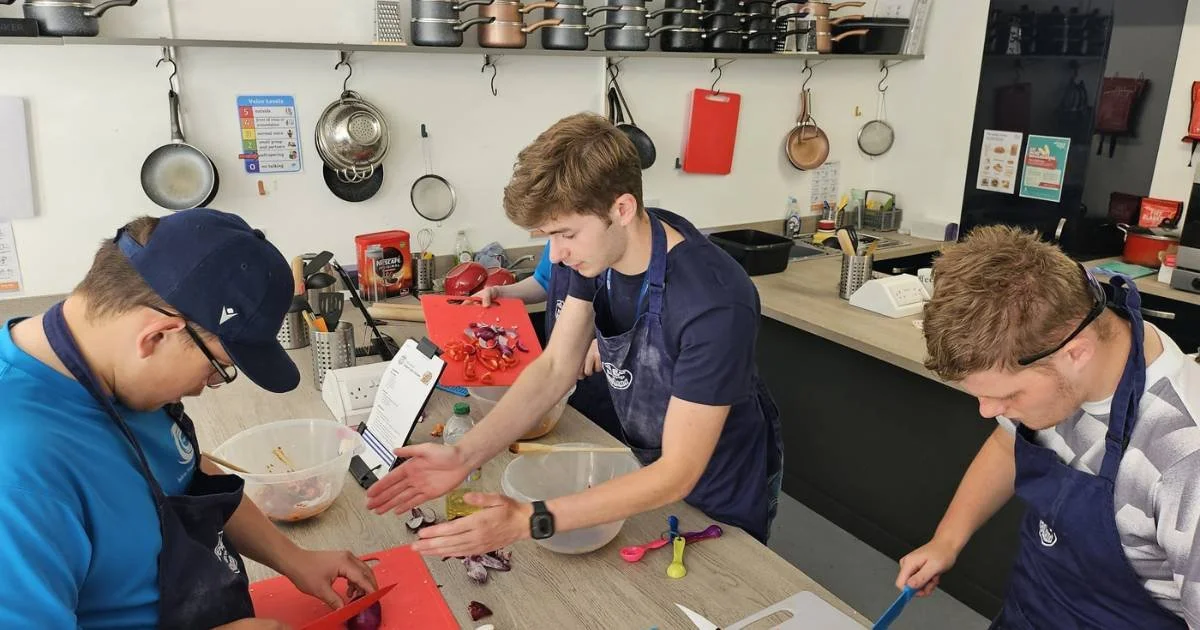
Learning by doing — developing practical skills, teamwork and independence in real-world environments.
Want to explore supported options?
Edge Group Scotland delivers specialist supported programmes for young adults with learning disabilities, who are autistic and/or have other additional support needs.
You can also find out more about our specialist supported day programmes and how we create real-world, confidence-building opportunities like this every day: https://www.edgegroupscotland.com/day-services