10 Years of Believing
How Edge grew with purpose
Belief doesn’t arrive fully formed.
At Edge, it has been built over time — shaped by experience, reflection and a determination to provide support that genuinely works for young adults.
When Edge began in 2016, it started small. What followed was not rapid expansion for the sake of it, but steady learning: understanding what young adults need, what helps confidence grow, and how the right environment can unlock potential.
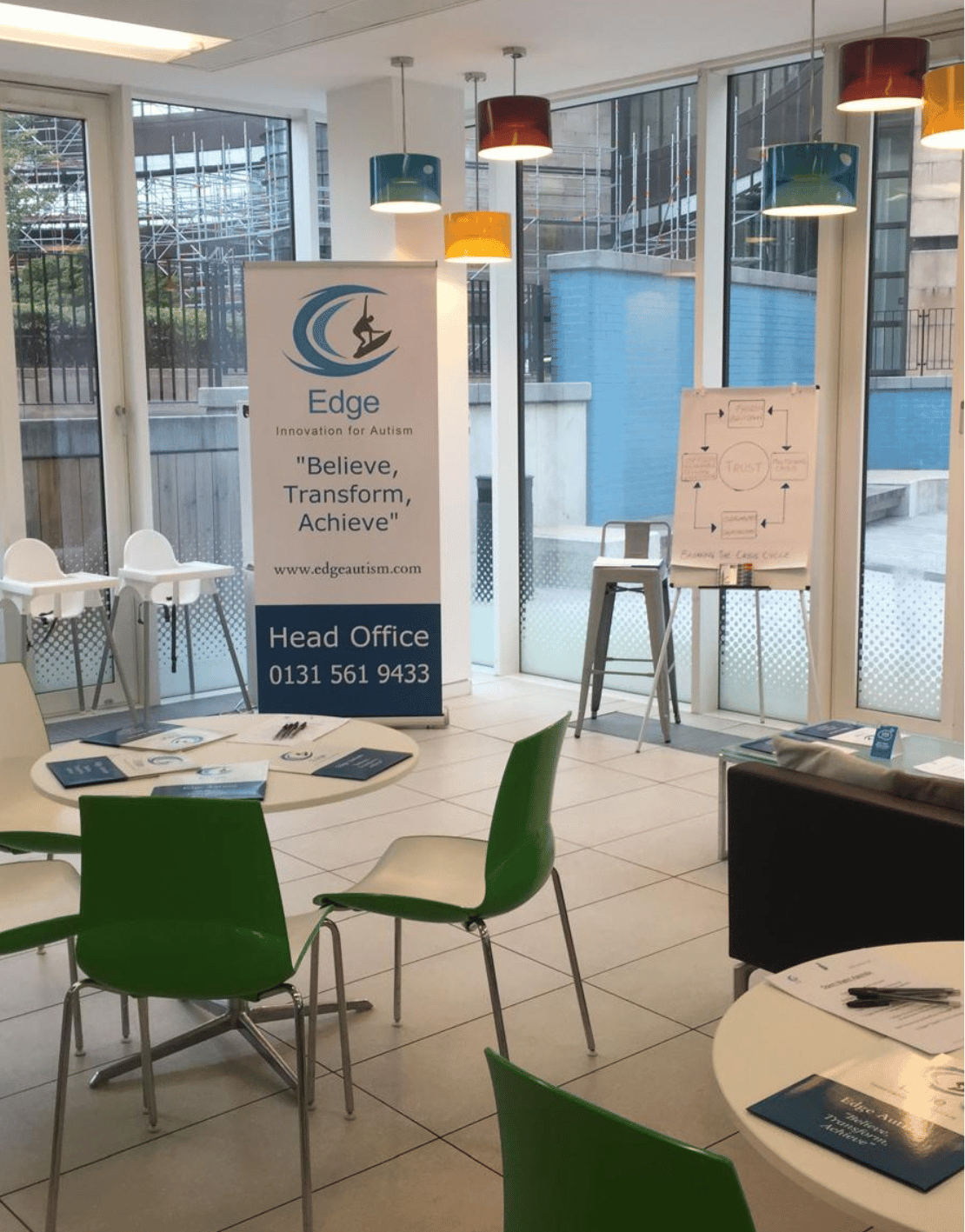
From the outset, Edge was rooted in a belief that support should be personal, practical and grounded in the real world.
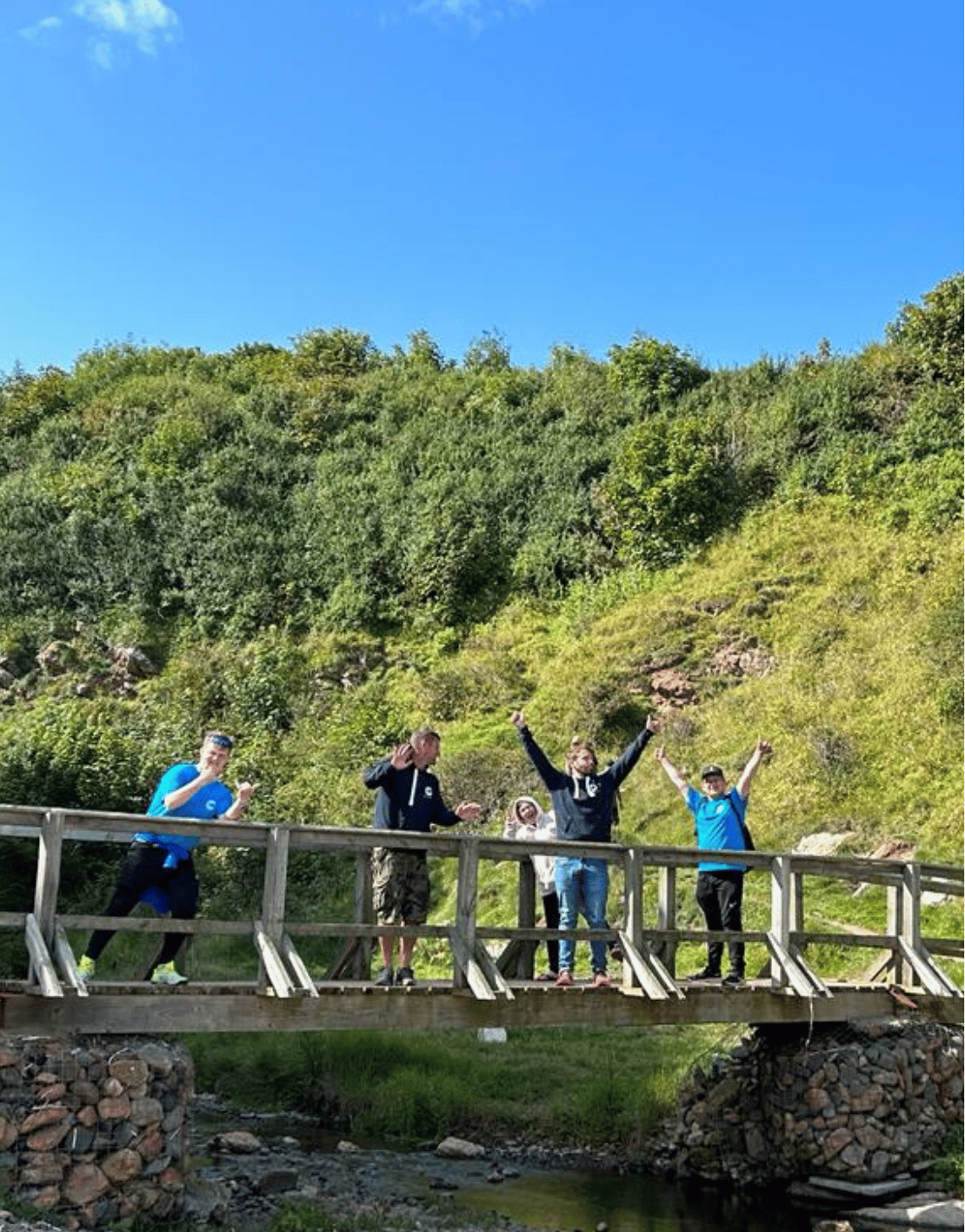
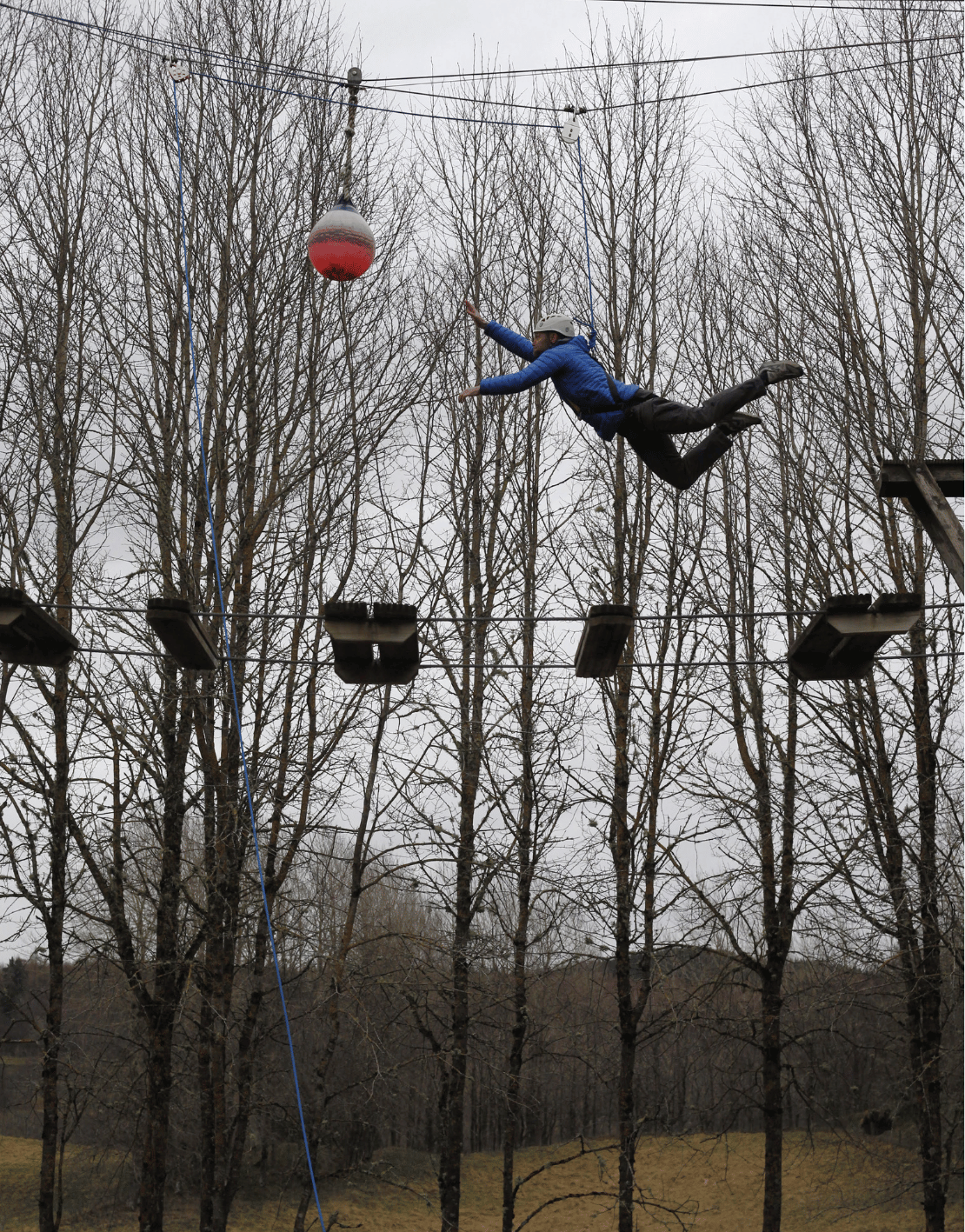
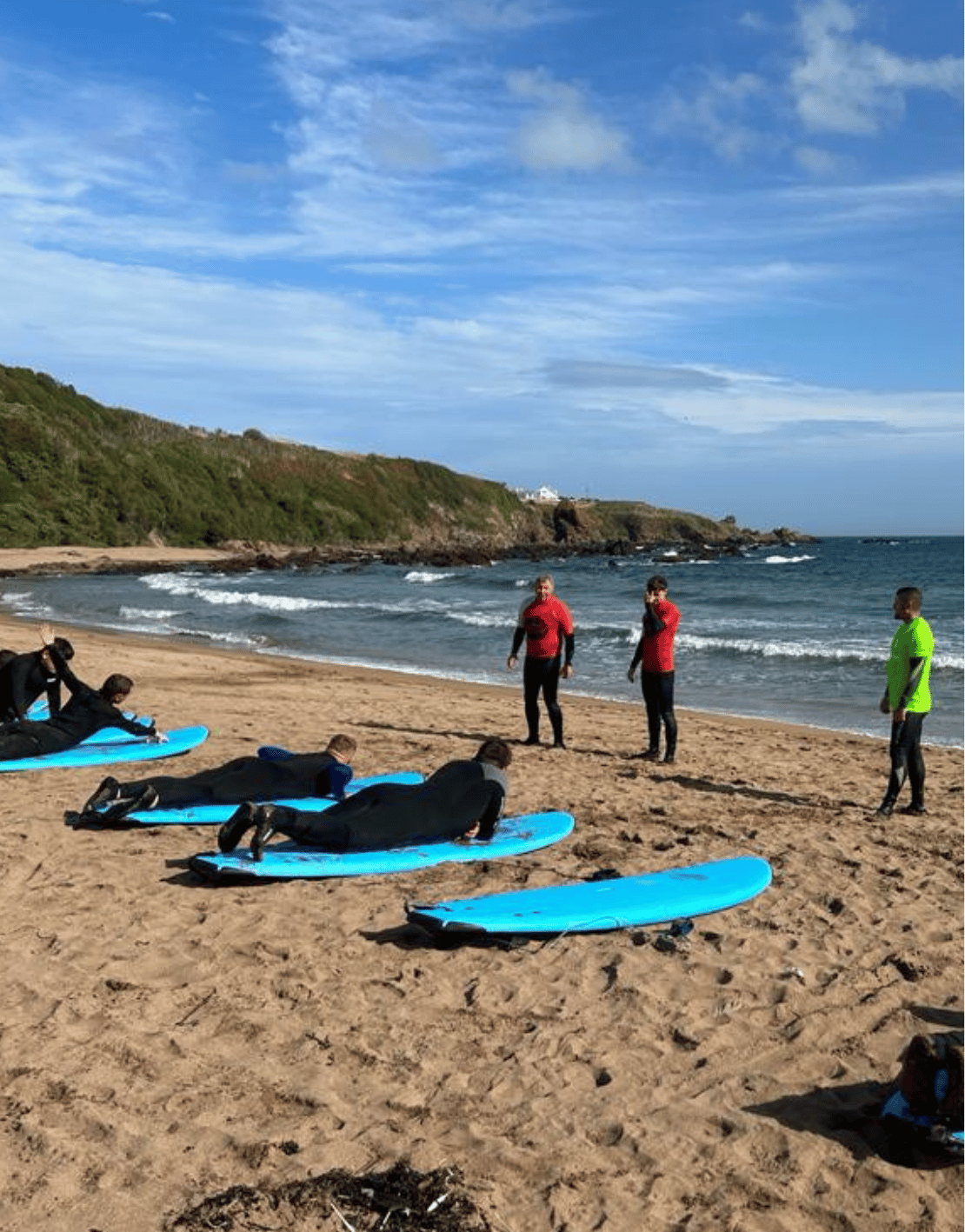
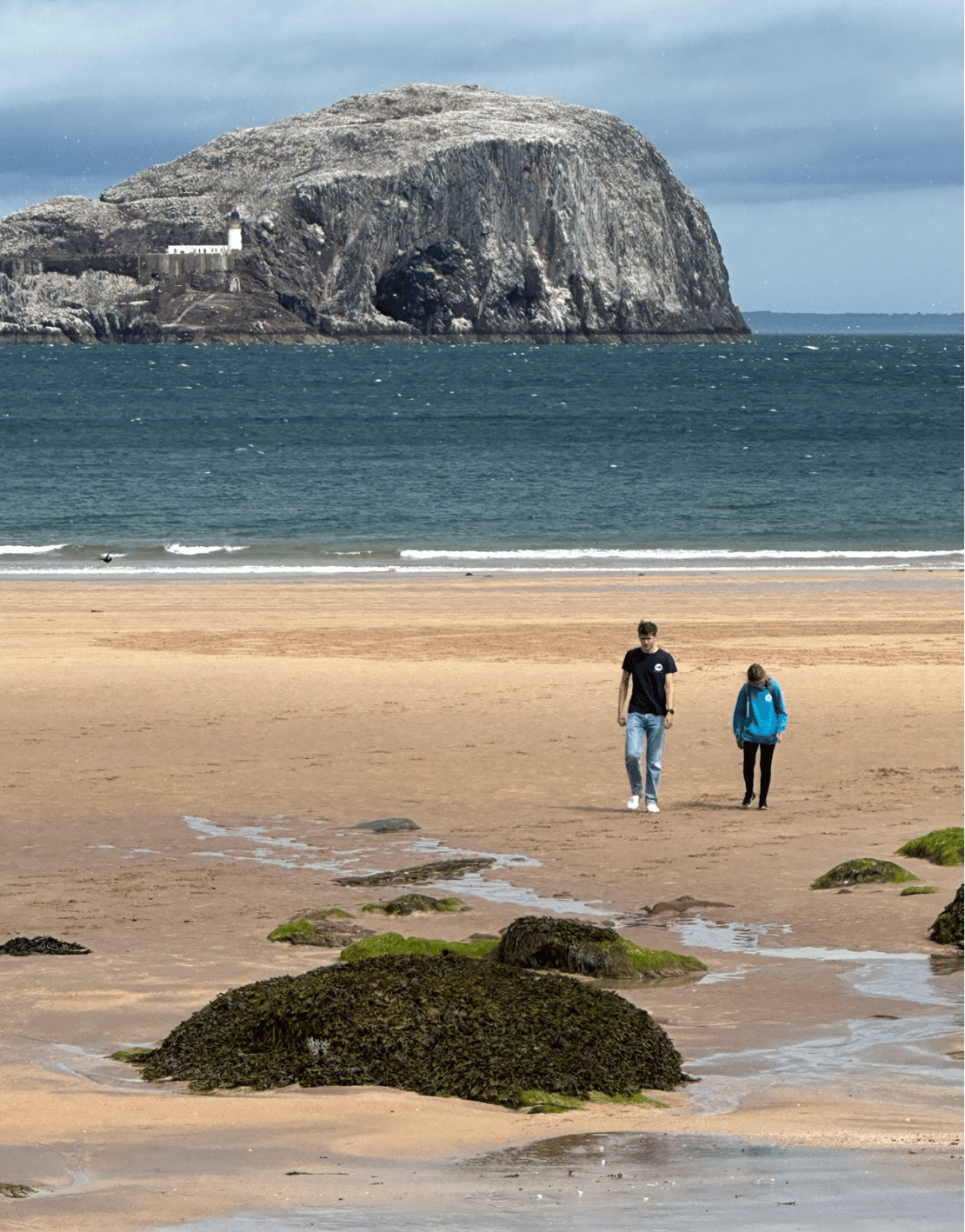
Outdoor learning, movement, routine and structure weren’t added as extras — they became central to how confidence, independence and skills could be developed in meaningful ways.
As experience grew, so did clarity.
What started as individual support evolved into something more purposeful: structured programmes, clearer pathways, and a stronger focus on preparation for adulthood.
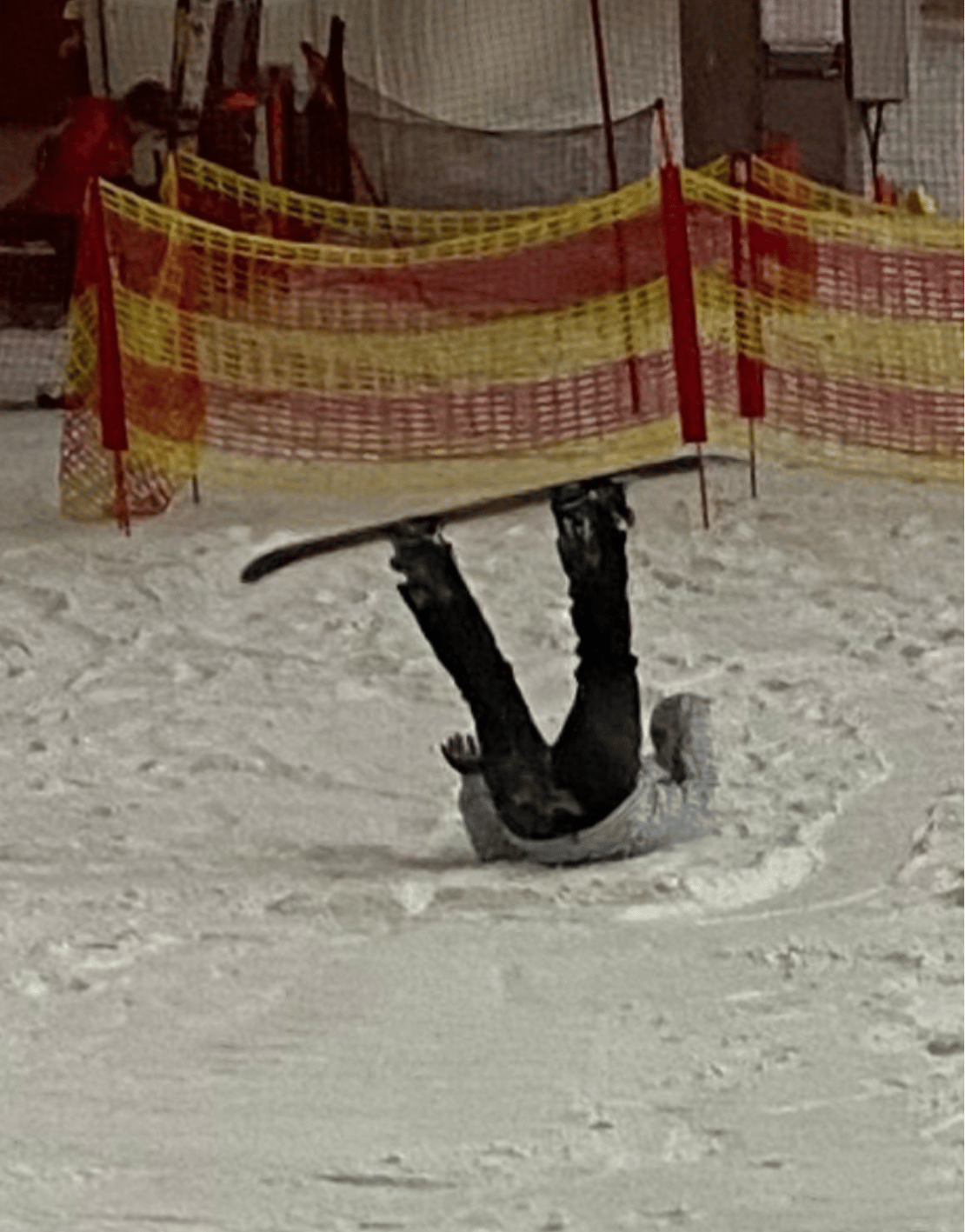
Each step forward was informed by what worked — and just as importantly, what didn’t.
Over time, this belief has shaped everything Edge offers today.
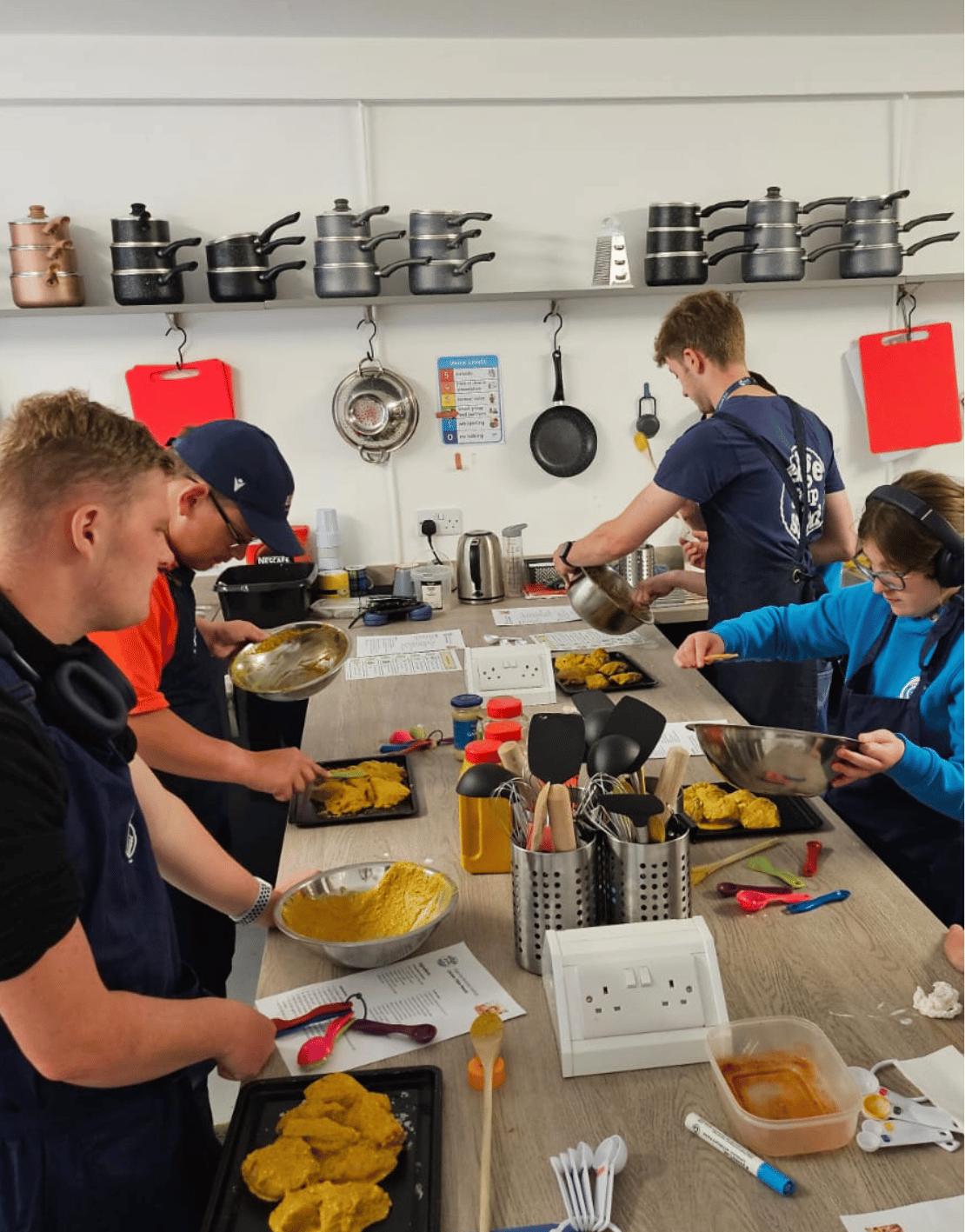
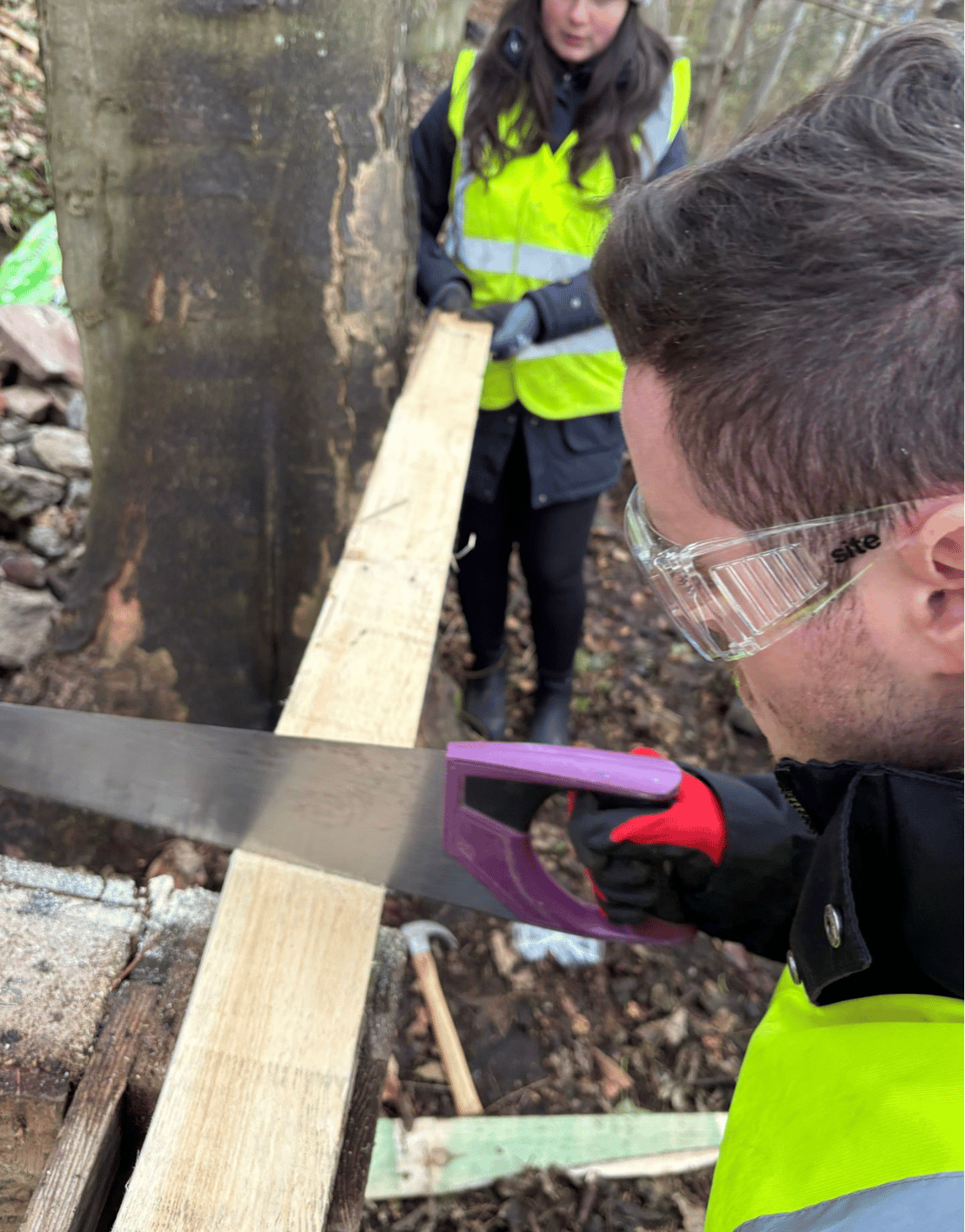
Learning that happens through doing.
Progress measured in confidence and capability, not speed
Support that adapts to the individual, not the other way around.
Opportunities that build towards real independence.
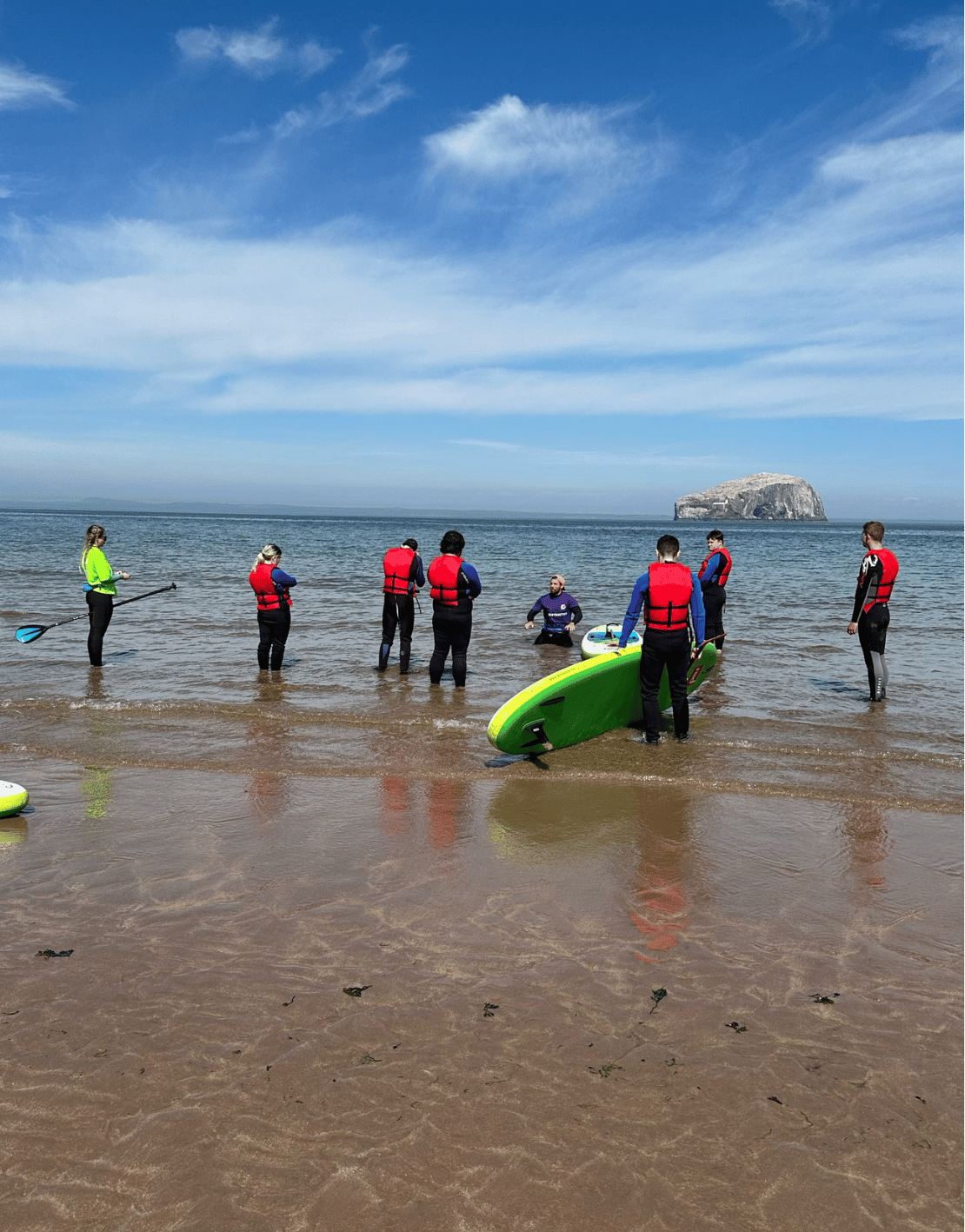
The introduction of supported day programmes marked a significant shift — responding to clear gaps in post-school provision and the need for vocational, holistic pathways that recognise the realities young adults face as they move into adulthood.
Ten years on, belief at Edge is no longer just an idea
It’s embedded in our programmes, our environments, and our expectations — and it continues to guide how we grow.
This instalment reflects the foundation everything else is built on.
The next chapters show how that belief has transformed into programmes, spaces and opportunities — and how it’s shaping the decade ahead.